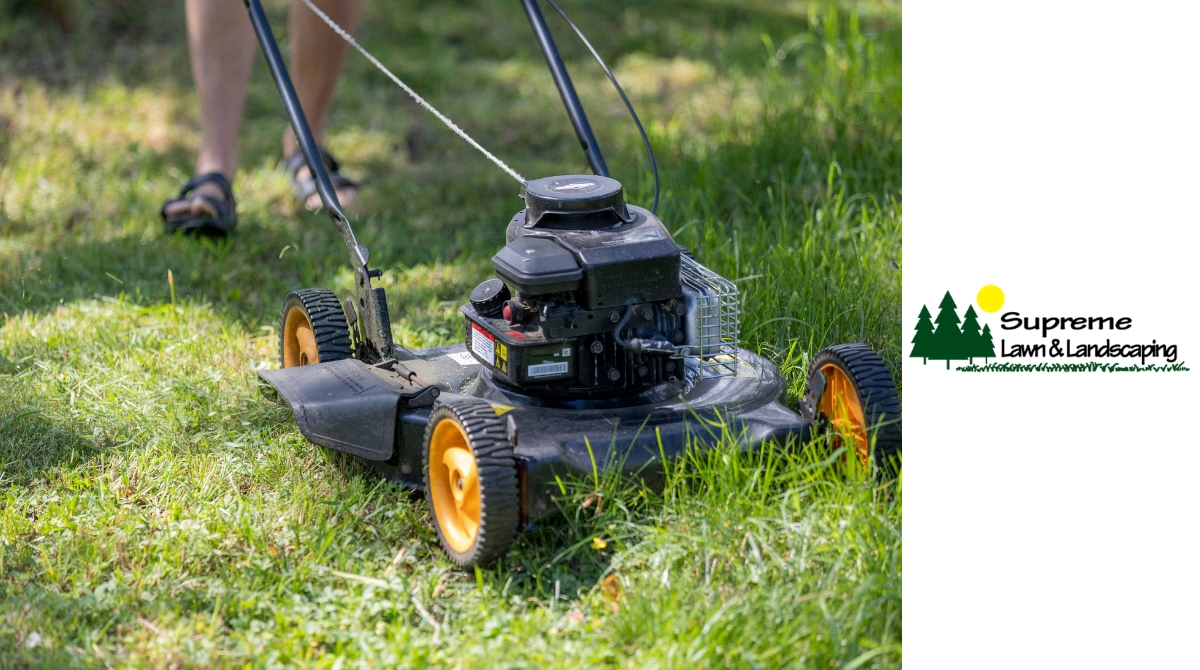
If you’ve only ever thought about lawn care in the spring, you’re missing the single best window Minnesota gives your grass all year. Fall is when the best core aeration services actually pay off, and pairing aeration with overseeding now sets your lawn up to come back thicker and healthier next spring, not just survive the winter.
Why Fall Beats Spring for Aeration and Overseeding
Cool-season grasses, which make up most Minnesota lawns, actually grow best in the cooler temperatures of early fall. That means new seed faces less competition from weeds, cooler soil holds moisture better, and roots have time to establish before the ground freezes. Spring aeration and seeding have to compete with warming temperatures, faster weed germination, and a much shorter window before summer heat stress sets in.
The Ideal Window for Central Minnesota
- Aeration: mid-August through the end of September is the sweet spot for our climate.
- Overseeding: late August through mid-September gives new grass enough time to mature before the first hard frost.
- Watering before aeration: your lawn should get a good soak two to three days beforehand so the aerator can pull a full, deep plug instead of skimming the surface.
Fall Aeration vs. Spring Aeration
| Fall Aeration | Spring Aeration | |
|---|---|---|
| Weed competition | Low, weeds are winding down | High, weeds germinate quickly |
| Time to establish before stress | Weeks before winter dormancy | Days before summer heat |
| Soil moisture | Steady and cool | Variable and warming fast |
| Best paired with overseeding | Yes, ideal combination | Workable, but less reliable |
Green Flags Your Lawn Is Ready for Fall Aeration
- Water pools or runs off instead of soaking in after rain
- Grass feels spongy or thin in high-traffic areas
- It’s been more than a year since your last core aeration service
Red Flags You’re Cutting It Close
- It’s already past mid-September and you haven’t scheduled yet
- Overnight temperatures are consistently dropping into the 40s
- Your lawn still has bare or thin patches from last summer
What Happens During a Core Aeration Service
A proper core aeration service pulls small plugs of soil, usually three to four inches deep, out of your lawn rather than just poking holes in it. This relieves compaction, breaks up thatch buildup, and opens a direct path for air, water, and nutrients to reach the root zone. Following it up with overseeding gets new seed into direct contact with the soil through those same openings, which is exactly why the two services are almost always done together in the fall.
Once your lawn is aerated and seeded, the rest of your fall lawn care matters just as much. Our fall lawn cleanup checklist covers what to do next to protect the investment you just made.
While You’re Planning Ahead
September is also a great time to start thinking beyond the lawn itself. If you’ve been considering a paver patio, walkway, or a retaining wall for a sloped yard, fall is an ideal season to get those projects scheduled before the ground freezes. Take a look at our paver stone walkways and patios page or our guide to retaining wall ideas for sloped yards for inspiration.
Ready to get your lawn on the fall schedule? Request a quote for core aeration and overseeding today. The window closes fast once the weather turns, and spots fill up.