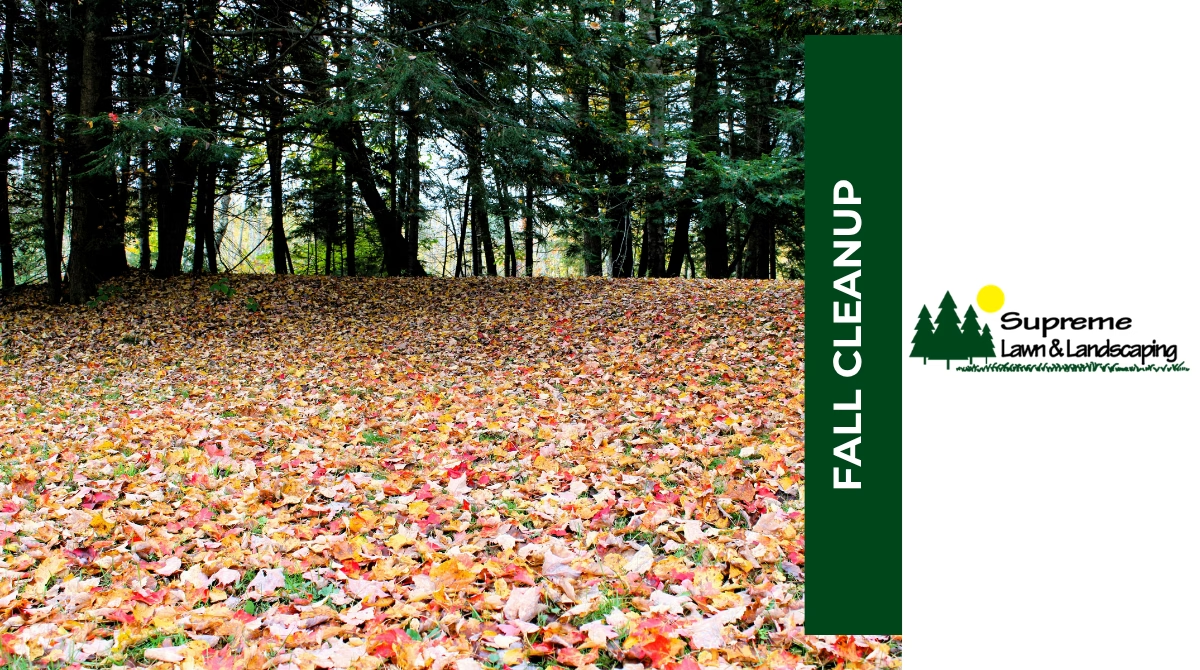
It’s tempting to let the leaves sit where they fall. The mower is put away, the days are short, and snow is going to cover everything soon anyway. But skipping fall lawn cleanup doesn’t make the work disappear. It just moves it to spring, where it shows up bigger, messier, and more expensive to fix.
Here’s what actually happens to a Central Minnesota lawn between the last leaf drop and the first green-up when nobody clears it, and why a few hours of work now saves weeks of recovery later.
The Problem Starts Before the First Snow
A thin scattering of leaves is harmless. A thick layer is not. Once leaves pile up and get wet from fall rain, they flatten into a dense mat that sits directly on the grass. According to the University of Minnesota Extension, leaving too many leaves on a lawn can smother the grass and add to winter stress.
In October and November, your grass is still quietly working. It uses the last cool, sunny weeks to store energy in its roots for winter. A leaf mat cuts off that sunlight right when the lawn needs it most, so it heads into dormancy weaker than it should be.
What Happens to Your Lawn, Month by Month
The damage from a skipped cleanup builds slowly and quietly. Here’s how it typically plays out in Central Minnesota:
The Four Biggest Consequences of Skipping Fall Lawn Cleanup
1. Matted, Suffocated Grass
Leaves that sit all winter compress the grass blades underneath and hold moisture against them. When spring arrives, those areas are often flattened, yellow, or completely dead. Thin grass is also an open invitation for weeds, which move into bare spots faster than turf can fill them back in.
2. Snow Mold
Snow mold is a fungal disease that thrives in the cold, wet conditions under a long snow cover, and leaf litter makes those conditions worse. The UMN Extension’s guide to winter lawn injury describes it as circular patches of matted, grayish grass that can grow up to three feet across. It usually damages the grass blades rather than killing the whole plant, but it leaves your lawn looking rough well into spring and slows green-up.
3. Pest Harborage
A layer of leaves and debris under the snow is shelter. Voles in particular use that cover to tunnel across lawns all winter, chewing grass down to the roots as they go. According to the University of Minnesota Extension, vole damage on lawns is most visible in spring, and yard sanitation (clearing debris and keeping grass trimmed short) is one of the first lines of defense. The same cover can also shelter insects and other pests looking for a place to overwinter.
4. Higher Spring Recovery Costs
This is the one most homeowners don’t see coming. A lawn that went into winter clean usually needs a light rake and a first mow in spring. A lawn that went into winter buried often needs a lot more:
- Heavy spring cleanup: Removing wet, decomposing leaf mats takes far more time and labor than clearing dry leaves in fall.
- Dethatching and debris removal: Dead grass and matted material have to come out before anything new can grow.
- Reseeding or overseeding: Bare and thin patches need new seed, plus weeks of watering to get it established.
- Lost weeks of growing season: While your neighbors’ lawns green up, yours is still in recovery mode.
- Weed control: Bare spots left from winter damage give weeds a head start that can carry into summer.
In the worst cases, large dead areas may need full renovation or new lawn installation. That’s a far bigger project than the cleanup that would have prevented it.
Fall Cleanup vs. Spring Repair at a Glance
| Lawn Cleaned Up in Fall | Fall Cleanup Skipped | |
|---|---|---|
| Condition at snowmelt | Even, dry, ready to green up | Matted, patchy, possible snow mold |
| Rodent activity | Little cover, fewer runways | Vole trails and chewed turf |
| Spring workload | Light rake and first mow | Heavy cleanup, dethatching, reseeding |
| Green-up timing | On schedule | Delayed by weeks |
| Overall cost | One planned service | Multiple repair steps plus weed control |
Signs Your Lawn Missed Last Year’s Cleanup
If you’re not sure whether skipping fall cleanup cost you last season, look back at what you saw in spring:
Red Flags from Last Spring
- Circular gray or pink patches that looked matted or crusty
- Brown, flattened areas where leaves had piled up
- Narrow, winding trails of chewed grass across the yard
- Thin spots that filled in with weeds before grass
- A lawn that greened up weeks later than the rest of the neighborhood
If any of that sounds familiar, our posts on what happens if you skip a spring lawn cleanup and how to recover your Minnesota lawn after a long winter explain what that repair process looks like. The better move is not needing it at all.
It’s Not Too Late to Get Ahead of It
The window for fall lawn cleanup in Central Minnesota runs until the ground freezes and the snow sticks. In most years, that means you still have time through late October and into November. A proper cleanup focuses on a few key tasks:
What a Good Fall Cleanup Covers
- Removing leaves and debris from turf, beds, and along fence lines
- A final mow at the right height to reduce matting and snow mold risk
- Clearing out spent plants and perennial debris from landscape beds
- Hauling away yard waste so it doesn’t end up back on the lawn
For the full task list, see our fall lawn cleanup checklist for Central Minnesota. If you’re wondering about mowing height, our guide on how short to cut your grass before winter covers the details.
Skip the Spring Repair Bill
Supreme Lawn & Landscaping handles fall lawn cleanup for homes and properties across Central Minnesota, so your lawn goes into winter clean and comes out ready to grow. Our lawn maintenance team can take care of the leaves, the final mow, and the haul-away in one visit. Fall schedules fill up fast once the leaves drop, so request a quote today and lock in your spot. While you’re at it, ask about our snow removal service so your property is covered from the last leaf to the last storm.