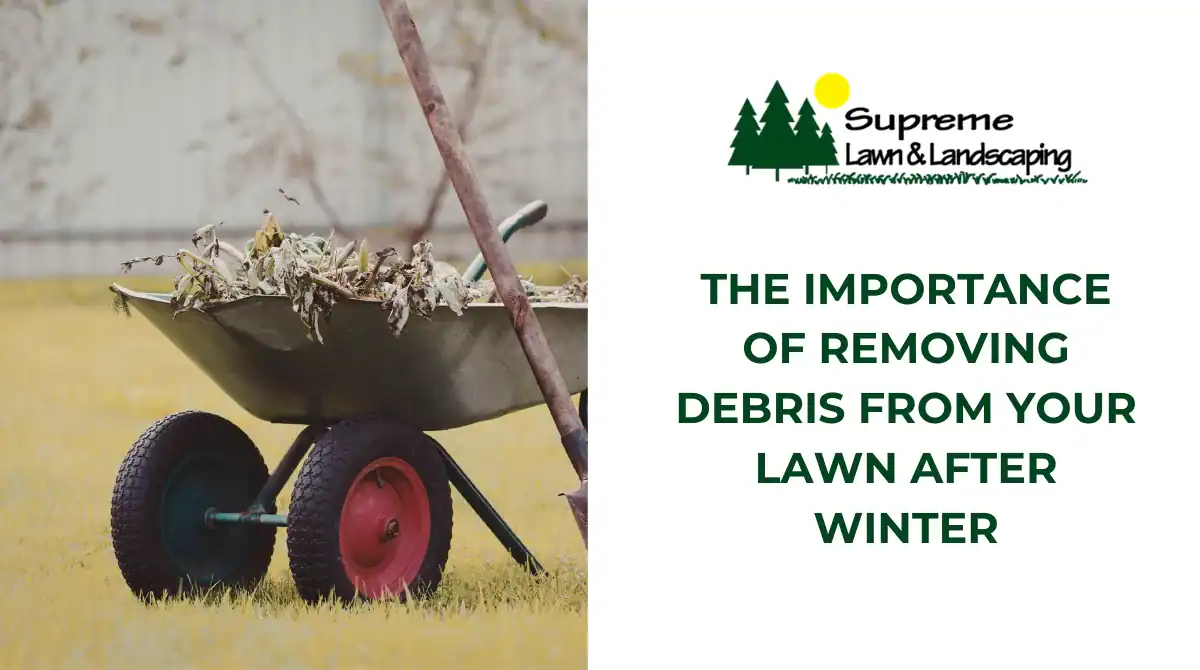
Winter can be tough on your lawn, leaving behind a mess of leaves, branches, and debris that can weaken your turf and delay healthy spring growth. At Supreme Lawn & Landscaping, we see firsthand how Minnesota winters impact residential and commercial properties. Ignoring this winter aftermath can lead to a struggling yard come spring. But don’t worry, a good spring clean-up, especially focusing on lawn debris removal, can make a huge difference. It’s not just about looks; it’s about giving your grass the best chance to thrive. Let’s get your lawn ready for the warmer months.
Key Takeaways
- Removing winter debris like leaves and branches is important for lawn health. It lets grass get sunlight and air, which helps it grow.
- Clearing out dead plants and matted grass helps prevent diseases and pests from taking hold in your yard.
- A clean lawn warms up faster in the spring, helping the roots get active and promoting stronger growth.
- Getting rid of debris early helps stop weeds from spreading and makes mowing easier later on.
- Taking care of lawn debris removal now sets your yard up for a healthier, greener look all season long.
Clearing Winter’s Remnants For A Healthier Lawn
Why Lawn Debris Removal Is Crucial After Winter
Winter can be tough on your lawn, leaving behind a mess of fallen branches, soggy leaves, and general debris. If you just let it sit there, it can really cause problems for your grass when spring rolls around. Think of it like this: your lawn needs to breathe and get sunlight, and all that gunk just smothers it. Removing winter debris is the first and most important step toward restoring a thick, green lawn, and it’s a foundational part of our professional spring clean-up services at Supreme Lawn & Landscaping. It might seem like a chore, but it sets the stage for everything else.
Understanding Winter’s Impact On Your Grass
So, what exactly does winter do to your yard? Well, besides the obvious cold, snow can flatten your grass, making it matted and weak. Leaves that stick around trap moisture against the soil surface, creating the perfect environment for mold, fungal diseases, and turf stress, all of which we proactively address during our seasonal lawn maintenance visits. We’re talking about things like snow mold, which can leave ugly patches. Plus, any branches or twigs that break off trees can block sunlight and air from reaching the soil, which your grass desperately needs to wake up and start growing.
The Benefits Of A Clean Slate For Your Lawn
Starting with a clean lawn in the spring has some pretty great perks. For starters, it lets the sun and air get to the soil, warming it up faster so your grass roots can get active. This means quicker growth and a stronger lawn overall. It also helps prevent those annoying weeds from getting a foothold early on. When your grass is healthy and growing well, it naturally crowds out weeds. Plus, a tidy yard just looks so much better, making mowing and other yard work way easier.
Here’s a quick rundown of what you gain:
- Better Airflow: Grass dries out quicker, making it less prone to disease.
- Warmer Soil: Roots wake up sooner, leading to stronger growth.
- Fewer Weeds: Healthy grass outcompetes unwanted invaders.
- Easier Maintenance: Mowing and other tasks become less of a hassle.
Letting winter debris pile up is like trying to run a race with weights on your ankles. You’re just making it harder for your lawn to perform its best. A good spring clean-up removes those weights and lets your grass thrive.
Essential Steps For Effective Lawn Debris Removal
Alright, winter’s finally packed its bags, and it’s time to give your lawn a good once-over. Think of it like spring cleaning for your yard. Leaving all that leftover gunk from the cold months just isn’t good for your grass. It can smother new growth, keep the soil cold, and generally make things messy. So, let’s get down to business and clear out the clutter.
Gathering Fallen Branches And Twigs
First things first, you’ll probably notice a bunch of branches and twigs scattered around. These can be from winter storms or just old, dead bits that finally gave up. Collecting fallen branches and storm debris is a critical first step in restoring both safety and curb appeal, something our team handles efficiently with professional equipment. They’re not just unsightly; they can actually block sunlight and air from reaching your grass, which is exactly what you don’t want when things are trying to wake up. It’s also a good idea to check for any larger fallen limbs that might have broken off trees. Safety first, right? You don’t want anyone tripping over them.
Removing Accumulated Leaves And Thatch
If you didn’t get to all the leaves in the fall, or if more have piled up, now’s the time to deal with them. A thick layer of wet leaves is a prime spot for mold and other fungal issues to start brewing. You might also have a layer of thatch – that’s the dead grass and organic stuff that builds up between your green blades and the soil. Too much thatch can choke your lawn. Professional dethatching and spring raking help lift matted grass without damaging delicate turf, ensuring proper airflow and preventing early-season lawn disease. Don’t go at it like you’re trying to win a power-raking competition; your grass is still a bit delicate this early in the season. Focus on the areas that look particularly flat or damp.
Clearing Out Dead Plant Material And Old Decor
Did you have any decorative plants or items out in the yard over winter? Now’s the time to clear those out too. Think old annuals that didn’t make it, dried-out ornamental grasses, or any holiday decorations that might have survived the elements. Removing this dead plant material not only tidies things up but also prevents potential disease spread and makes way for the new growth that’s eager to pop up. It’s all about giving your lawn a clean slate to work with. You can find some great tips on proper yard waste disposal if you’re unsure what to do with it all.
Addressing Specific Winter Lawn Damage
Winter can be tough on your lawn, leaving behind a mess that needs attention before spring growth can really take off. You might notice patches of grass that look flattened or even dead, and sometimes, weird fuzzy stuff can pop up. It’s not just about looks; these issues can actually hurt your grass if you don’t deal with them.
Lifting Matted Grass With Gentle Raking
After snow melts, you’ll often find areas where the grass is pressed down flat, sometimes called ‘matted grass.’ This happens when snow sits on the lawn for a long time, especially if it’s heavy or icy. It traps moisture and can prevent air from getting to the grass blades and soil. Gently raking these areas is key to helping your lawn breathe again. You don’t want to be too rough, though, because the grass is still pretty delicate in early spring. Just a light pass with a rake can help lift the blades and break up any clumps. This simple step helps the grass stand up again and encourages new growth from the base. It also helps the soil dry out a bit faster, which is good news for the roots.
Repairing Thin Patches and Bare Spots
Winter can leave behind thin spots or even completely bare patches where the grass didn’t make it. This can be due to a few things, like heavy foot traffic on frozen ground, salt damage from de-icing, or even burrowing critters. Addressing thin patches early with overseeding, soil amendment, and proper fertilization ensures your lawn fills in evenly before weeds have a chance to establish. You’ll want to loosen the soil a bit in these areas, maybe add some compost to give the new seeds a good start, and then reseed. Keeping the newly seeded areas moist is super important for germination. Getting this done before the weeds really start to take over in late spring gives your grass a better chance to fill in and create a thicker turf. You can find good seed mixes and soil amendments at your local garden center to help with lawn repair.
Combating Snow Mold and Fungal Growth
That fuzzy, discolored patch you might see on your lawn? That’s likely snow mold, a type of fungus that thrives in cool, damp conditions, often under snow cover. It looks pretty bad, but usually, the grass underneath is still alive. The best way to deal with it is to remove the matted debris that harbors it and rake the area gently. Improving airflow is the biggest help here. As the weather warms up and the lawn dries out, the snow mold typically disappears on its own. If you have persistent issues, you might need to look into specific treatments, but often, good lawn care practices are enough to keep it in check. Making sure your lawn drains well and isn’t constantly waterlogged is a good long-term strategy against fungal problems.
Preparing Your Lawn For Spring Growth
After a long winter, your lawn is probably looking a bit sad and neglected. But before you can get to the fun stuff like mowing and enjoying the sunshine, there are a few key things to do to get it ready for the growing season. Think of it like waking up a sleepy giant – you need to gently nudge it back to life.
Improving Airflow For Grass Health
Winter can leave your grass matted down, especially in shady or damp spots. This traps moisture and prevents air from circulating properly. When grass can’t breathe, it’s more prone to diseases. A gentle raking can work wonders here. You’re not trying to tear up the lawn, just lift those flattened blades so they can stand up straight again. This simple step helps the grass dry out faster and reduces the risk of fungal issues popping up.
Warming The Soil For Root Activation
Cold, compacted soil is like a blanket that’s too heavy for your grass’s roots. Debris like leaves and twigs can keep the soil colder for longer. By clearing all that winter mess away, you allow the sun’s warmth to penetrate the soil more effectively. Warmer soil encourages the grass roots to wake up and start growing, which is exactly what you want as spring arrives. This is a big step towards getting a stronger, more resilient lawn. You can check out some tips on outdoor project materials if you’re planning any hardscaping that might affect soil drainage.
Preventing Weed Proliferation Early On
Weeds are opportunistic. If your lawn is weak and struggling after winter, weeds will see it as an open invitation. A clean, healthy lawn that’s getting good airflow and sunlight is much better at crowding out weeds naturally. Getting rid of debris early also means you can get a head start on any weed prevention treatments before they even have a chance to sprout. It’s all about setting your lawn up for success from the get-go.
Here’s a quick rundown of why this prep work matters:
- Better Air Circulation: Lifts matted grass, letting it breathe.
- Faster Soil Warming: Allows sunlight to reach the soil, waking up roots.
- Weed Prevention: A healthy lawn naturally fights off invaders.
- Disease Reduction: Removes damp, decaying material where problems start.
Getting your lawn ready for spring isn’t just about looks; it’s about setting the stage for a healthy, robust growing season. A little effort now saves a lot of headaches later.
The Role Of Debris Removal In Pest Prevention
After a long winter, your lawn might look like a bit of a mess. You’ve got fallen branches, piles of leaves, and maybe even some old decorations that didn’t quite make it into storage. While it’s tempting to just leave it all there and wait for spring to work its magic, that debris can actually be a problem. It’s not just about looks; it’s about keeping your yard healthy and free from unwanted guests.
Eliminating Habitats For Rodents And Insects
Think about it: a thick layer of wet leaves or a pile of fallen branches offers a perfect little hideaway for all sorts of critters. Rodents like mice and voles can burrow into leaf piles, finding warmth and shelter. Insects, too, love these damp, protected spots. They can lay eggs, overwinter, and generally set up shop, ready to emerge when the weather warms up. Removing debris eliminates hiding places for rodents and insects, protecting your lawn investment and preventing costly damage later in the season.
Reducing Breeding Grounds For Disease Carriers
Some of the pests that hang out in lawn debris aren’t just annoying; they can also carry diseases. Ticks, for example, can be found in leaf litter, and mosquitoes often breed in standing water that collects in debris. By cleaning up, you’re not only removing potential hiding spots but also reducing the places where these disease-carrying pests can reproduce. It’s a simple way to make your yard a less hospitable place for them.
Protecting Soil Health From Contaminants
Beyond just pests, debris can also affect your soil. Decaying organic matter, especially if it’s been sitting there all winter, can sometimes harbor fungi or bacteria that aren’t great for your grass. Plus, if you had any decorations or items that weren’t exactly eco-friendly, they can break down and leach things into the soil. A good spring clean-up allows you to get rid of these potential contaminants and start with a cleaner slate for your soil.
Here’s a quick rundown of what to look out for:
- Fallen branches and twigs: These can provide shelter for insects and small animals.
- Accumulated leaves: Wet leaves are a prime spot for fungal growth and insect overwintering.
- Old garden decor: Items left out can break down and potentially contaminate the soil.
Clearing out winter debris is more than just tidying up. It’s a proactive step in preventing potential pest problems and protecting the overall health of your lawn and the soil beneath it. It sets the stage for a healthier growing season by removing the places where unwanted guests like to hide and multiply.
Enhancing Curb Appeal Through Cleanliness
Creating a Polished and Professional Look
After a long winter, your yard might look a bit rough around the edges. Clearing away fallen branches, lingering leaves, and any leftover holiday decorations makes a huge difference. It’s like giving your house a fresh haircut. A tidy yard instantly makes your home look more inviting and well-cared for. It shows you take pride in your property, which is always a good thing, whether you’re planning to sell or just want to enjoy your space more. Think about it: a clean lawn and garden beds give a really polished look that neighbors and visitors will notice.
Making Mowing and Maintenance Easier
Dealing with a yard full of debris before you can even think about mowing is a pain. Twigs can jam your mower, and thick leaf piles can smother the grass. Getting rid of all that clutter first means your lawnmower can do its job properly. It makes the whole process of mowing, trimming, and general upkeep much smoother and quicker. You’ll spend less time wrestling with obstacles and more time actually enjoying your yard. It’s a simple step that really cuts down on the hassle of regular lawn care.
Boosting Property Value With A Tidy Yard
Let’s be honest, first impressions count. When potential buyers see a neat, well-maintained yard, it suggests that the rest of the house has likely been looked after too. A clean exterior can really make your property stand out. It’s not just about aesthetics; it’s about presenting your home in the best possible light. A well-kept landscape can add a surprising amount to your home’s market value, sometimes by a noticeable percentage. It’s a smart investment in your property’s overall appeal and potential resale value.
Here’s a quick look at what debris removal can do:
- Visual Improvement: Transforms a messy yard into a neat, attractive space.
- Easier Maintenance: Simplifies future tasks like mowing and weeding.
- Pest Reduction: Removes hiding spots for unwanted critters.
- Healthier Lawn: Allows grass and plants to get the sunlight and air they need.
Clearing winter debris isn’t just about tidiness; it’s a proactive step that benefits your lawn’s health, simplifies your maintenance routine, and makes your home more appealing. It’s a foundational task for a beautiful outdoor space.
Timing Your Lawn Debris Removal Efforts

So, when exactly should you get out there and start clearing away all that winter gunk from your lawn? It’s not just about when you feel like it, though that’s part of it, right? There’s a bit of science and observation involved to make sure you’re doing it at the right time for your grass and soil.
When To Begin Your Spring Clean Up
Generally, you want to wait until the worst of the winter weather has passed. Think late winter or early spring. The ground shouldn’t be frozen solid anymore, and you shouldn’t be expecting any more heavy snowfalls. A good rule of thumb is to start when you see the first signs of new growth, even if it’s just a little bit of green peeking through.
- Late February to early April is a common window, depending on your local climate.
- Keep an eye on the weather forecast for any late-season storms.
- Look for signs of life in your lawn – tiny green shoots are a good indicator.
The Importance Of Soil Conditions
This is a big one. Trying to rake or clear debris when the ground is still soggy and waterlogged is a recipe for disaster. You’ll end up compacting the soil, which is the opposite of what your lawn needs. Plus, you can easily tear up the delicate new grass trying to pull out leaves or twigs from mud.
You want the soil to be firm enough to walk on without leaving deep footprints. If you step on it and your shoes sink in, it’s probably too wet. Give it a few more days to dry out a bit.
Recognizing When Grass Is Actively Growing
This ties into the soil conditions. You don’t want to start too early, before the grass has even woken up from its winter nap. If you’re aggressively raking or pulling things off a dormant lawn, you can actually cause more harm than good. Wait until you see that the grass is starting to actively grow. This means it’s more resilient and can handle the cleaning process better. It’s like waiting for a plant to be ready to be pruned – you don’t want to cut it back when it’s completely asleep.
Here’s a quick checklist to help you decide:
- Soil Firmness: Can you walk on it without sinking?
- Visible Growth: Are there signs of green shoots emerging?
- Temperature: Are daytime temperatures consistently above freezing, with nights not dropping too severely?
- Recent Weather: Has it been dry enough for the soil to start drying out?
Getting the timing right means your lawn will thank you with healthier growth all season long. It’s all about patience and observation!
Beyond Debris: Other Spring Lawn Care Tasks
So, you’ve cleared out all the leftover leaves, twigs, and general winter mess. That’s a huge win! But honestly, getting your lawn ready for spring doesn’t stop there. There are a few other things you should really think about doing to give your grass the best shot at looking amazing all season long. It’s not just about tidiness; it’s about setting up your lawn for healthy growth.
Pruning Trees and Shrubs for Health
While you’re out there, take a look at your trees and shrubs. Winter can be tough on them, and sometimes branches get damaged or just grow in weird directions. Early spring is actually a great time to do some pruning. It helps get rid of any dead or broken bits before they cause bigger problems, and it also encourages new, healthy growth. Think about shaping them up a bit, too. It makes a big difference in how everything looks.
- Remove dead or damaged branches.
- Trim back overgrown areas.
- Shape plants for better appearance and health.
First Mowing Considerations
Okay, so when do you actually start mowing? It’s tempting to get out there as soon as the grass looks a little green, but hold on a second. You don’t want to mow too early. Wait until the grass is actually growing and the soil isn’t super soggy. Mowing too soon or when it’s wet can really mess up your lawn, creating ruts and stressing the grass. When you do start, make sure your mower blades are sharp. Dull blades tear the grass, which isn’t good for it. And remember the one-third rule: never cut off more than a third of the grass blade at once. It’s better for the grass and helps prevent issues.
Checking and Testing Irrigation Systems
If you have an irrigation system, now’s the time to give it a once-over. Winter can sometimes cause damage, and you don’t want to find out your sprinklers aren’t working right when the summer heat hits. Walk around and check for any broken sprinkler heads, look for leaks, and make sure the water is reaching all the areas it’s supposed to. Uneven watering can lead to dry spots or areas that get too much water, which isn’t ideal for your grass. Getting it sorted now saves you headaches later.
Taking care of these extra steps after clearing debris really sets your lawn up for success. It’s about more than just looks; it’s about promoting strong, healthy growth that can handle whatever the season throws at it.
The Long-Term Benefits Of Proactive Lawn Care
Taking the time to clear out winter’s mess isn’t just about making your yard look nice right now. It actually sets your lawn up for success all year long. When you get rid of all that leftover debris, you’re doing more than just tidying up; you’re helping your grass grow stronger and healthier from the ground up.
Establishing Stronger Roots For Resilience
Think of your lawn’s roots like the foundation of a house. If the foundation is weak, the whole structure is at risk. Clearing away winter debris allows sunlight and air to reach the soil, which helps the roots wake up and start growing deeper. This makes your grass much tougher when things get tough, like during a dry spell or when it’s really hot.
- Improved soil aeration: Less compaction means roots can spread out easily.
- Better nutrient uptake: Healthy roots can grab the food they need.
- Increased drought tolerance: Strong roots can find water deeper down.
A lawn with a robust root system is like a well-prepared athlete – ready to perform when conditions demand it, bouncing back quickly from stress.
Achieving Thicker Turf And Better Color
When your lawn can breathe and its roots are strong, the grass itself starts to look better. You’ll notice it becoming thicker, which is great because thick grass is the best defense against weeds. Plus, healthier grass just has a richer, more vibrant green color. It’s amazing what a difference a clean start makes.
| Timeframe | Expected Outcome |
|---|---|
| Early Spring | Greener shoots appear |
| Mid-Spring | Noticeable thickening |
| Early Summer | Rich, uniform color |
Reducing Weed Issues Throughout The Season
One of the biggest headaches for any homeowner is weeds. But here’s the thing: a healthy, thick lawn naturally pushes out weeds. By removing debris and giving your grass the best possible start, you’re making it harder for weed seeds to find a place to sprout and grow. It’s a much easier way to keep weeds in check than constantly battling them later on.
Considering Professional Lawn Debris Removal
Ensuring Proper Timing and Techniques
Look, sometimes you just don’t have the time or the energy to tackle that mountain of leaves and branches after winter. It happens. And honestly, trying to do it yourself when you’re not sure what you’re doing can sometimes cause more harm than good. Professionals know the best times to get this done, usually when the ground isn’t too soggy, so they don’t damage your grass. They also have the right way to handle things, like knowing which branches are dead weight and need to go, and which ones are just resting. Getting this right means your lawn can start breathing and growing sooner.
Accessing Specialized Equipment
Let’s be real, most of us don’t own a commercial-grade leaf blower or a chipper for all those fallen branches. Professionals do. They have the tools to get the job done quickly and efficiently. This means they can haul away big piles of leaves or even larger debris without you having to worry about renting equipment or making multiple trips to the dump. It’s a big help, especially if you have a lot of trees or experienced some storm damage over the winter. You can find services that handle this kind of work in many areas, like in Supreme Lawn.
Saving Time and Effort For Homeowners
This is probably the biggest draw for most people. Instead of spending your entire weekend wrestling with rakes and bags, you can let someone else handle it. Think about what you could do with that extra time – relax, spend time with family, or just catch up on chores that aren’t quite as back-breaking. It’s a trade-off: you pay a bit of money, but you get back your precious time and avoid all the physical strain. It’s a smart move if your lawn is large or if you’d rather focus your energy elsewhere.
Here’s a quick look at what professional services often include:
- Removal of leaves, twigs, and branches
- Clearing out dead annuals and perennials
- Hauling away accumulated thatch
- Basic edging for a cleaner look
Hiring professionals isn’t just about convenience; it’s about getting the job done right the first time. Partnering with Supreme Lawn & Landscaping ensures your spring clean-up is completed at the right time, using the right techniques, and with the right equipment, saving you time while delivering superior results.
Is your yard buried under leaves and branches? Don’t let fallen debris make your lawn look messy. We can help clear it all away, making your yard look neat and tidy again. Get your yard back in shape by visiting our website today!
Wrap Up: A Yard Ready for Spring
So, there you have it. Getting rid of all that winter gunk from your yard might seem like a chore, but honestly, it makes a huge difference. When you clear away the leaves, branches, and whatever else the cold season left behind, you’re basically giving your grass and plants a fresh start. It lets the sun and air get to the soil, helps everything warm up faster, and stops weeds from getting a head start. Plus, a clean yard just looks way better, right? It’s the first step to a healthy, green lawn that you can actually enjoy when the warmer weather finally sticks around. Don’t skip this part – your yard will thank you for it later.
Ready for a Healthier Lawn This Spring?
Don’t let winter debris hold your lawn back.
Trust Supreme Lawn & Landscaping for professional spring clean-up and full lawn care services.
From debris removal and aeration to fertilization and ongoing maintenance, we’ll help you achieve a thicker, greener lawn that lasts all season.
Contact us today for a free estimate and let’s bring your lawn back to life.