
Winter in Central Minnesota isn’t just inconvenient, it’s a real liability risk for commercial properties. At Supreme Lawn & Landscaping, we’ve helped businesses across St. Cloud stay accessible, compliant, and protected with proactive commercial snow plowing plans designed for Minnesota winters. Schedule a winter readiness walkthrough with Supreme Lawn & Landscaping before the first snowfall hits.
Key Takeaways
- A good contract clearly defines which areas of your property need snow removal, like parking lots, walkways, and entrances, and specifies the types of services included, such as plowing, shoveling, and de-icing.
- Understand the triggers for service, like a minimum snowfall amount (e.g., 2 inches), and the expected timeframes for when the work will be completed after a storm hits.
- Pricing structures should be clear, detailing costs per service or a seasonal rate, along with the invoice schedule and payment due dates to avoid surprises.
- The contract must address liability, including the contractor’s responsibility for damages or injuries, and require proof of their insurance coverage.
- Key details like the contract’s start and end dates, conditions for termination, and how disputes will be handled should all be clearly laid out.
Defining The Scope Of St. Cloud Commercial Snow Removal Services
Every commercial property is different and Supreme Lawn & Landscaping structures snow plow contracts around your exact site layout, traffic flow, and risk exposure. Clear scope definition ensures nothing gets missed when storms hit. Request a customized commercial snow service scope for your property.
Areas Requiring Attention
This section of the contract should spell out precisely which parts of your property the snow removal company will be responsible for. Think about everything that needs to be cleared to keep your business running smoothly and safely.
Supreme Lawn & Landscaping clearly documents every service zone, including high-traffic, high-liability areas often overlooked in generic contracts.
It’s important that every area you expect to be serviced is listed. If it’s not in the contract, don’t expect it to be done. Let Supreme map every plow, walkway, and access point on your property.
Types Of Snow And Ice Management Services
Supreme Lawn & Landscaping delivers full-service snow and ice management, not just plowing. From precision salting to sidewalk clearing, each service is documented to reduce slip-and-fall exposure. This could include:
- Plowing: This is the basic removal of snow from designated areas. The contract might specify the depth of snow that triggers plowing, like 2 inches or more. It should also mention the type of plowing, such as clearing to the pavement or just pushing snow to the edges.
- Shoveling/Blowing: For smaller areas like sidewalks, stairs, and entrances, manual shoveling or snow blowing is often used. The contract should clarify which areas this applies to and how often it will be done.
- De-icing/Salting: Applying salt or other de-icing agents to prevent ice formation or melt existing ice is a common service. The contract should specify the types of products used (especially if you have environmental concerns) and the frequency of application. You might want to look into eco-friendly de-icing products if that’s a concern.
- Snow Hauling: In areas where snow cannot be piled up due to space limitations or safety concerns, snow hauling (removing the snow from the property entirely) might be necessary. This is usually an additional service with its own cost.
Ask about Supreme’s full-coverage snow and ice management programs.
Additional Service Offerings
Sometimes, you might need more than just the standard snow clearing. These could be things you add on or that are part of a premium package.
- Pre-treatment: Applying anti-icing liquids before a storm hits to prevent snow and ice from bonding to the pavement. This can make subsequent plowing much more effective.
- 24/7 Availability: Having the snow removal team on call around the clock, especially during major winter storms, for immediate response.
- Ice Monitoring: Proactive checks of your property for potential icy conditions, even without active snowfall.
- Emergency Snow Removal: Services needed outside of regular scheduled times due to unexpected or severe weather events.
Clearly defining the scope of services prevents misunderstandings and ensures that both you and the snow removal provider are on the same page regarding expectations and responsibilities throughout the winter season. This detailed approach is key to effective commercial snow removal planning.
Understanding Snowfall Triggers And Service Timelines
When you sign a contract for commercial snow removal, it’s not just about getting the snow cleared. It’s also about knowing when and how that service will happen. This section of your contract spells out the specifics, so there are no surprises when the first flakes start to fall.
Minimum Snow Accumulation Thresholds
Supreme contracts clearly define snowfall triggers and response timelines, so your business isn’t waiting while conditions worsen. We prioritize safety, accessibility, and continuity of operations. Lock in guaranteed response times with Supreme this winter.
Clarifying Pricing Structures And Payment Terms
Supreme Lawn & Landscaping believes commercial snow contracts should be predictable, transparent, and easy to budget, no surprise invoices mid-storm. Get a clear, upfront winter pricing quote from Supreme.
Detailed Pricing Breakdown Per Service
Contracts usually lay out how they charge for different things. It’s not just one flat fee for everything. You might see prices for:
- Plowing: This is typically for parking lots and driveways. The cost can be per push, per event, or part of a seasonal package.
- Shoveling/Snow Blowing: For sidewalks, entryways, and tight spots. This might be priced per hour or per area cleared.
- Salting/De-icing: Applying materials to prevent ice. This is often a separate charge, sometimes based on the amount of material used or the area treated.
- Snow Hauling: If you have a lot of snow and need it removed from the property, this is a big one and will definitely have its own cost.
It’s really about getting a clear picture of each service’s cost before you sign.
Invoice Schedule And Payment Due Dates
How and when you pay is just as key. Most contracts will specify:
- Billing Frequency: Are you billed monthly, after each event, or at the start/end of the season?
- Invoice Delivery: How will you receive your invoice? Email? Mail?
- Payment Due Date: Typically, you’ll have a set number of days (like 15 or 30) after receiving the invoice to make the payment.
- Payment Methods: What forms of payment do they accept? Checks, credit cards, online payments?
Potential Additional Charges And Fees
This is where things can get a little tricky if not clearly defined. Watch out for:
- Overtime Rates: If services are needed outside of normal hours or during extreme events.
- Extra Service Fees: For things not in the original agreement, like clearing a new area or responding to a minor dusting that wasn’t initially a trigger.
- Fuel Surcharges: Sometimes, especially with fluctuating gas prices, these can be added.
- Late Payment Penalties: Most contracts will have a clause for this, so know the percentage or flat fee.
Always ask for clarification on any charges you don’t fully understand. A good contractor will be upfront about potential extra costs, especially those related to unusually severe weather or specific client requests outside the standard scope.
Here’s a quick look at common pricing models:
| Pricing Model | Description |
|---|---|
| Seasonal Contract | Fixed price for the entire winter season, regardless of snowfall amount. |
| Per Event/Push | Charged each time a service is performed after a specific snowfall trigger. |
| Hourly Rate | Billed based on the actual time spent performing services. |
| Per Inch of Snow | Price varies based on the total accumulation of snow after an event. |
Addressing Liability And Insurance Requirements
When you’re signing on the dotted line for commercial snow removal, figuring out who’s responsible if something goes wrong is a big deal. It’s not just about getting the snow cleared; it’s about making sure everyone’s protected.
Contractor’s Liability For Damages Or Injuries
This part of the contract spells out what the snow removal company is on the hook for. It should clearly state their responsibility for any property damage or injuries that happen while they’re doing their job. Think about things like accidental damage to your building’s facade from a plow, or someone slipping on ice that wasn’t properly treated because of their oversight. The contract needs to be specific about what they will and won’t cover. Sometimes, contracts will exclude liability for things like ‘Acts of God’ or damage caused by pre-existing conditions on your property. It’s important to understand these limitations.
Proof Of Insurance And Coverage Details
Don’t just take their word for it; you need to see the paperwork. The contract should require the snow removal company to provide you with proof of their insurance. This usually includes:
- General Liability Insurance: This covers third-party property damage and bodily injury. You’ll want to know the coverage limits.
- Workers’ Compensation Insurance: This is for their employees if they get hurt on the job. It protects you from being sued by their workers.
- Commercial Auto Insurance: If they use vehicles for plowing and hauling, this is necessary.
It’s also a good idea to ask if you can be listed as an ‘additional insured’ on their policy. This gives you an extra layer of protection.
Indemnification Clauses For Protection
An indemnification clause, sometimes called a ‘hold harmless’ clause, is basically a promise from the contractor to protect you from certain legal claims. If the snow removal company messes up and someone sues you because of it, this clause means the contractor will step in and cover the costs, as long as the issue wasn’t caused by your own negligence. It’s a way to shift the financial risk back to the party performing the service, provided they are at fault.
It’s wise to have a legal professional review these clauses to make sure they adequately protect your business interests and are worded clearly. What seems straightforward on paper can sometimes have hidden complexities.
Establishing Contract Duration And Termination Conditions
Agreement Start And End Dates
When you sign on for snow removal services, it’s not just about the next big storm. The contract lays out the exact timeframe your agreement is good for. This usually covers a full winter season, often from November 1st through April 30th, but it can vary. It’s important to know precisely when your service begins and, more importantly, when it ends. This helps manage expectations on both sides and avoids any confusion about when you’re covered and when you’re not. Some contracts might be for a single season, while others could span multiple years for more consistent pricing and service.
Conditions For Contract Termination
Life happens, and sometimes a contract just doesn’t work out. This section of the agreement spells out how either you or the snow removal company can end the deal before the agreed-upon end date. Common reasons might include the contractor consistently failing to show up when needed, not performing services as agreed, or if your business operations change significantly. Likewise, the contractor might have clauses for termination if, say, the property becomes inaccessible or if payment terms are repeatedly violated. It’s good to have these defined so there’s a clear process if things go south, rather than a messy dispute.
Dispute Resolution Mechanisms
Even with the clearest contracts, disagreements can pop up. This part of the agreement outlines how those issues will be handled. It might suggest starting with a simple conversation to clear things up. If that doesn’t work, it could move to mediation, where a neutral third party helps both sides reach an agreement. Arbitration is another possibility, which is a more formal process where a decision is made by an arbitrator. The goal here is to find a way to settle problems without immediately resorting to expensive lawsuits. It’s about finding a practical path forward when expectations don’t quite match reality.
Having a clear understanding of the contract’s duration, how it can be ended, and how disputes will be handled provides a solid foundation for your snow removal service agreement. It means fewer surprises and a more predictable winter season for your business.
Ensuring Effective Communication Channels
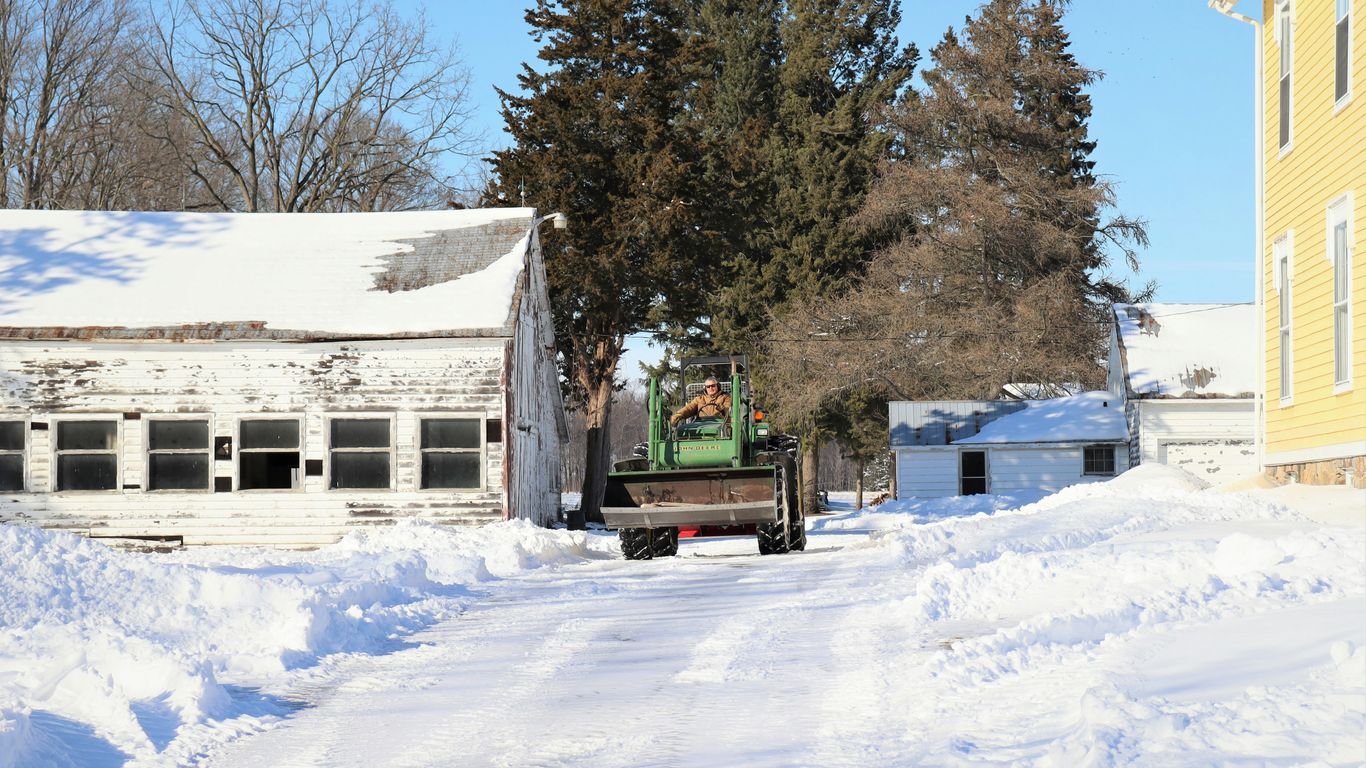
When you’re dealing with winter weather, clear communication with your snow removal contractor isn’t just a nice-to-have; it’s pretty important. You need to know who to call, when to call them, and that they’ll actually pick up. A solid contract spells this out so there are no surprises when the snow starts flying.
Preferred Communication Methods
Your contract should clearly state how you and the contractor will communicate. This usually involves listing preferred methods like phone calls, emails, or even text messages. It’s also a good idea to specify who the main point of contact is on both sides. This avoids confusion and makes sure the right people are getting the messages.
- Primary Contact Person (Client): [Name/Title]
- Primary Contact Person (Contractor): [Name/Title]
- Preferred Method(s): Phone, Email, Text
- Emergency Contact: [Phone Number]
Contractor Accessibility For Urgent Matters
Winter storms don’t always happen during business hours. That’s why the contract needs to address the contractor’s availability for urgent situations. This means defining what constitutes an ‘urgent matter’ and what kind of response time you can expect. For example, if a blizzard hits overnight, you need to know they’re ready to respond. Having a plan for 24/7 availability is key for keeping your property safe and accessible. This is especially true for businesses that operate around the clock or have critical infrastructure. Being prepared means less downtime and fewer headaches when the weather gets rough. It’s about making sure your property stays operational, no matter what winter throws at it. This kind of proactive planning helps prevent dangerous conditions, like icy walkways, which can lead to injuries. Proper salting is crucial for commercial properties to prevent these issues.
A contract that clearly outlines communication protocols helps build trust and ensures that both parties are on the same page, especially during stressful weather events. It’s about setting expectations upfront so that when a snow event occurs, the focus can be on the service, not on figuring out who to call.
Considering Environmental Impact Of Services
When you’re signing on the dotted line for snow removal, it’s easy to just focus on getting the snow gone. But what about the planet? It’s worth thinking about how these services affect the environment around your property.
Use Of Eco-Friendly De-Icing Products
Traditional de-icers, like rock salt (sodium chloride), can be tough on plants, concrete, and even local waterways. They can leach into the soil, harming vegetation, and run off into streams and rivers, impacting aquatic life. Thankfully, there are better options out there.
- Liquid Deicers: Many companies now use liquid brine solutions. These can be applied before a storm to prevent ice from bonding to the pavement, meaning less de-icer is needed overall. Some are made from agricultural byproducts, making them gentler.
- Alternative Salts: Products like calcium chloride or magnesium chloride can work at lower temperatures than rock salt and are often less damaging. They still need to be used responsibly, though.
- Proprietary Blends: Some companies have developed their own mixes designed for effectiveness and reduced environmental impact. Ask what they’re using and why.
It’s a good idea to ask your snow removal provider about their de-icing methods. They should be able to explain what they use and why it’s a good fit for your property, considering both effectiveness and environmental concerns.
Responsible Snow Disposal Practices
Where does all that scraped-up snow actually go? If it’s just piled up, it can cause issues later on. Meltwater from large snow piles can concentrate pollutants like oil, gas, and road grime, which then get washed into storm drains and local water bodies.
- Snow Banking: This is when snow is piled up on your property. It’s usually the cheapest option, but you need to make sure the location won’t cause drainage problems or block sightlines as it melts.
- Snow Hauling: This involves removing the snow from your property entirely and taking it to a designated snow farm or disposal site. This is a cleaner option, especially for properties with limited space or sensitive environmental areas nearby.
- Strategic Piling: If snow banking is the chosen method, the contractor should have a plan for where to pile it. This means avoiding storm drains, sensitive landscaping, and areas where it could cause flooding when it melts.
A good snow removal contract will detail how snow will be managed after it’s cleared. This includes specifying where snow will be deposited on-site or if it will be hauled away, and what measures will be taken to prevent environmental contamination from meltwater.
By discussing these points, you can work with your snow removal service to keep your property safe and accessible all winter long, while also being mindful of your environmental footprint.
Identifying Key Parties And Property Details
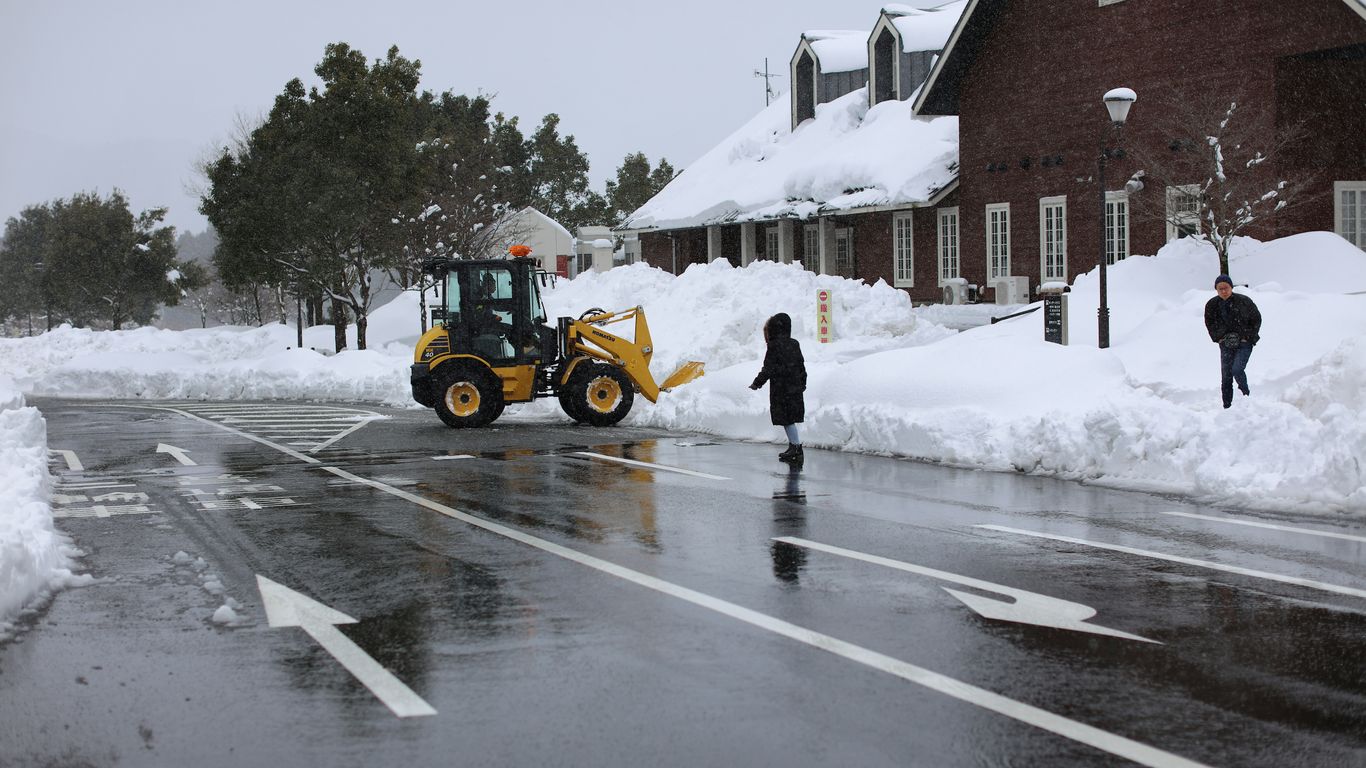
Before you even think about snow piling up, it’s super important to get the basics down in your contract. This means clearly stating who’s involved and exactly where the work is going to happen. It sounds simple, but getting this right avoids a ton of confusion later on.
Inclusion Of Business Information
Your contract needs to have the full legal names of both your business and the snow removal company. Don’t forget contact details like phone numbers, email addresses, and the physical address where the snow removal services will actually be performed. This just makes sure everyone knows who’s who and where to find each other if something comes up.
Detailed Property Description For Service
This is where you get specific about the property. Think about all the areas that need attention during winter. It’s not just about the main parking lot, you know?
Here’s a breakdown of what to include:
- Parking Lots: Specify the entire lot or specific sections that need plowing.
- Driveways and Access Roads: Any routes that need to stay clear for vehicles.
- Walkways and Sidewalks: Crucial for pedestrian safety around your building.
- Entrances and Exits: Making sure doors and main entry points are accessible.
- Loading Docks and Service Areas: Important for businesses that receive deliveries.
- Fire Lanes and Emergency Access Points: Keeping these clear is often a legal requirement.
It’s also a good idea to include a simple map or diagram if the property is complex. This visual aid can really help prevent misunderstandings about which areas are covered.
Sometimes, contracts might just say “the property.” That’s way too vague. You need to list out every single spot that requires snow removal, de-icing, or any other winter service. Being this detailed upfront saves a lot of headaches when the first snowflake falls.
Reviewing Contractual Obligations And Signatures
Understanding Both Parties’ Responsibilities
This part of the contract is where everything really gets laid out. It’s not just about what the snow plow company is going to do, but also what you need to do. Think of it as a clear list of who’s responsible for what. For the contractor, this means detailing the exact services they’ll provide, like plowing specific areas, applying de-icer, and when they’ll do it based on snowfall triggers. They also need to outline their availability and how they’ll handle emergencies. On your end, it might involve ensuring access to certain areas, providing necessary property information, and making timely payments. It’s all about setting clear expectations to avoid any confusion down the road.
Importance Of Signed Agreements
This is the part that makes it official. A contract isn’t worth the paper it’s printed on until both parties have signed it. This signature signifies that you’ve read the agreement, understand all the terms and conditions, and agree to be bound by them. It’s a formal commitment. Without signatures, there’s no real agreement in place, and it can lead to disputes if something goes wrong. Make sure you and the contractor’s authorized representative both sign and date the document. It’s a good idea to have a legal professional look over the contract before you sign, just to be safe. They can help you spot any tricky clauses or areas that might be unclear, like those found in a previous agreement. It’s better to catch potential issues now than deal with them during a snowstorm.
Here’s a quick rundown of what to look for:
- Contractor’s Duties: What services are included, when they’ll be performed, and what triggers service.
- Your Duties: Payment schedules, access requirements, and providing necessary property details.
- Liability: Who is responsible for damages or injuries.
- Insurance: Proof of the contractor’s coverage.
- Termination: Conditions under which the contract can end.
- Dispute Resolution: How disagreements will be handled.
Signing a contract is more than just a formality; it’s a legal commitment that solidifies the agreement between you and the snow removal service. It ensures that both parties are on the same page regarding services, responsibilities, and potential outcomes, providing a framework for a smooth winter season.
Making sure all the details in your contracts are clear, especially who signs them, is super important. It helps avoid confusion later on. If you need help understanding your agreements or want to make sure everything is signed correctly, check out our website for expert advice.
Wrapping It Up
A well-structured snow plow contract is more than paperwork, it’s peace of mind. Supreme Lawn & Landscaping helps commercial properties stay safe, compliant, and operational all winter long. Schedule your commercial snow consultation with Supreme Lawn & Landscaping today.
